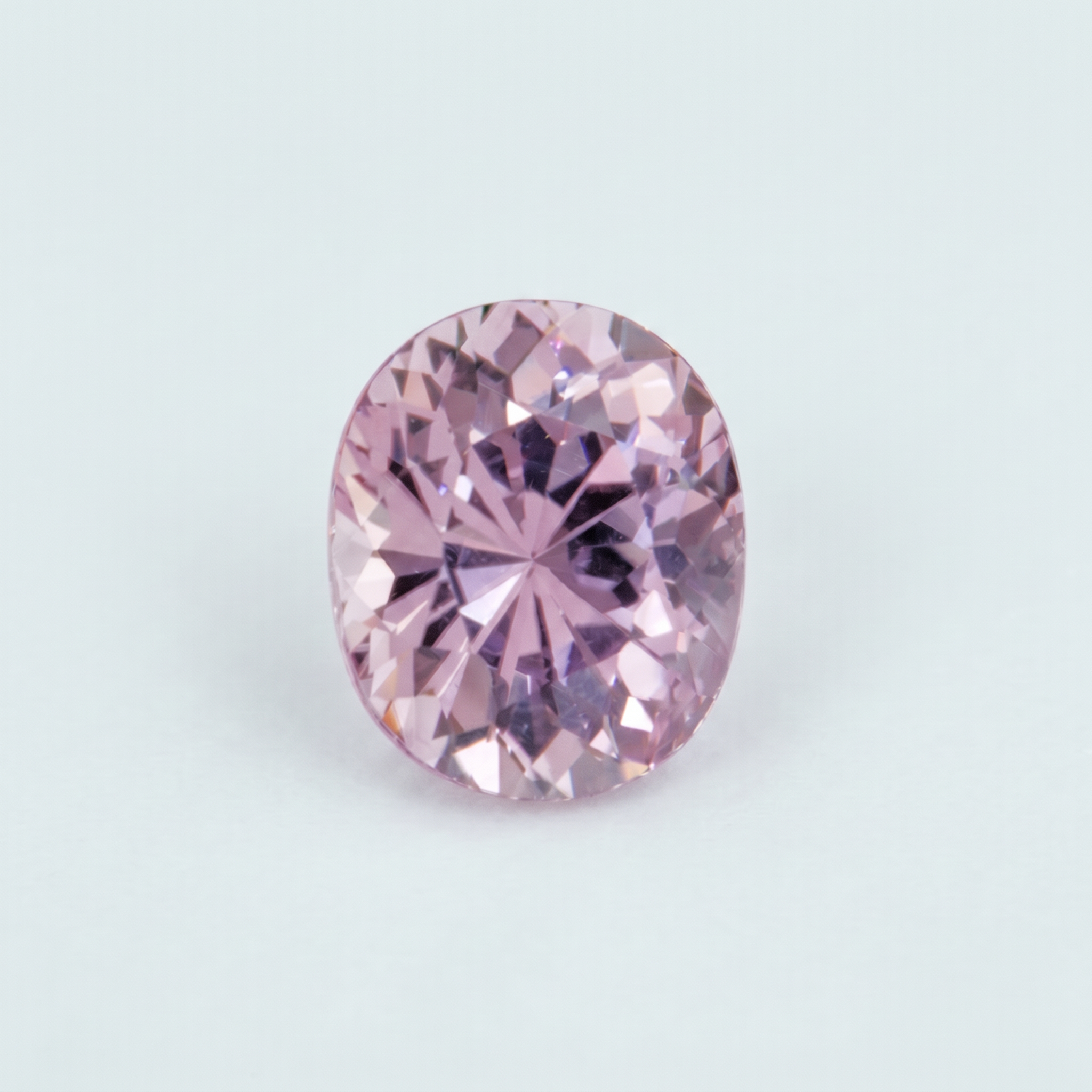
Spinel
buying guide
A working guide to fine spinel: the colors, the cobalt question, the great imposter history, and what spinel actually costs.

Spinel is not a ruby understudy. It is its own species, and for five hundred years some of the most famous rubies in the world were secretly spinels.
Everything about spinel rewards a closer look: untreated color as the default, a price ladder that starts gentle and climbs only for true rarity, and a history that embarrassed half the crowned heads of Europe. This guide covers the colors and what drives them, the cobalt question, where spinel comes from, and what it costs from our own collection.
If you remember one thing from this piece: spinel is almost never treated. When a seller charges a premium for the word cobalt, ask for the laboratory report.
A short history of mistaken identitythe crown jewel that was not a ruby
For five hundred years the most famous red gemstone in England has been a lie. The Black Prince’s Ruby in the Imperial State Crown is not a ruby. It is a spinel, and it fooled everyone until chemistry caught up with the crown jewels.
It was an honest mistake. Fine red spinel and fine ruby grow in the same marble, come out of the same gravels, and carry the same chromium fire. The great courts of Europe and Persia treasured their balas rubies for centuries without knowing they were a different species altogether.
Spinel is magnesium aluminate, its own mineral with its own habits. It forms in clean octahedral crystals, takes a glassy polish, and sits at 8 on the Mohs scale, hard enough for every day of a long life.
For most of the modern era that history worked against it. Spinel was priced as the also ran, the stone you bought when ruby was out of reach. Collectors quietly disagreed, and over the last twenty years the market has come around to what the crowns knew all along. It was never the understudy.
The colors of spinelred, pink, lavender, gray
Red comes first, because red is rarest. Chromium gives fine red spinel the same engine that drives ruby, and a top red spinel today is genuinely harder to find than a comparable ruby. Ours run from open cherry reds to deep stoplight color.
Pink is where spinel earns its modern reputation. The Mahenge deposit in Tanzania announced itself in 2007 with neon pinks that glow without any treatment at all, and the trade has chased them since. Lavender, violet, and purple stones deliver the same clean crystal for far less money.
Then there is gray. Quiet, steely, slightly silvered, gray spinel has become the connoisseur pick for modern engagement rings, and we sell more of it every year. How color is judged across all of these follows the same logic as any colored gemstone, covered in our grading guide.
Cobalt blue, the rare exceptionwhy one blue costs ten times the other
One blue stands apart. Most blue spinel is colored by iron, pleasant and steely and fairly priced. A small fraction is colored by cobalt, and cobalt blue spinel is electric, a saturated blue that seems lit from inside.
The benchmark cobalt material comes from Luc Yen in northern Vietnam, in sizes that rarely clear a carat clean. Prices follow. A true cobalt blue can cost ten times its iron colored cousin, and the difference is invisible on a price tag without proof.
Proof is the point. The word cobalt should come with a laboratory report that says so, because the premium rides entirely on that one element. Our certificate guide walks through exactly what those reports establish.
The Black Prince’s Ruby in the Imperial State Crown is not a ruby. It is a spinel.
Why the trade finally fell for the great imposter
Where spinel comes fromBurma, Tanzania, Vietnam, Sri Lanka
Burma remains the storied source. The Mogok valley that made ruby famous produces the classic red and hot pink spinels, including the vivid material old dealers call Jedi, stones with no dark mask at all.
Tanzania carries the modern flag. Mahenge pinks set the market alight, and Tunduru adds a wide palette of colors. Sri Lanka has produced spinel for as long as it has produced sapphire, in blues, violets, and grays.
Vietnam holds the cobalt seam, and Tajikistan holds the history. The Badakhshan mines on the old silk routes supplied the great balas rubies of the medieval courts, including, almost certainly, the one in the English crown.
Treatment, barelyuntreated as the rule, not the premium
Here is the quietest selling point in the gem trade: spinel is almost never treated. There is no routine heating as with sapphire, no oiling as with emerald. The color you see is the color the ground made, as a rule rather than a premium.
The exceptions are knowable. A little Tanzanian material has been gently heated in recent years, and any treatment belongs on the receipt. Lab grown spinel also exists and has for a century, the blue stones in old class rings are usually synthetic spinel, so buy natural spinel from someone who states it plainly.
Durability needs no caveats. At 8 on the Mohs scale, spinel wears as confidently as sapphire and asks for nothing special. Soap, water, done.
Our position is the same as everywhere else on this site. Origin stated, treatment stated, and the rare claims that carry premiums, cobalt among them, backed by paper.
Drawn from our live collection, 113 loose spinels at the time of writing. Most of the collection sits under $650, which is the quiet appeal: untreated color at prices corundum cannot touch.
The ladder, made reallive stones from every rung
Each rung of the ladder above is shoppable. Up to three live stones per tier, every one of a kind: click any card to open it right here, buy it outright, or start a custom design around it.
Want more to choose from? See every spinel we hold, or browse the full shop.
Let us line up reds and pinksand compare them against ruby side by side
Tell us the color family and budget you have in mind. We will pull a tray of spinels and, if you like, a ruby for comparison, because seeing them together is the fastest education there is.
Browse Spinel Collection

Leave a Reply